
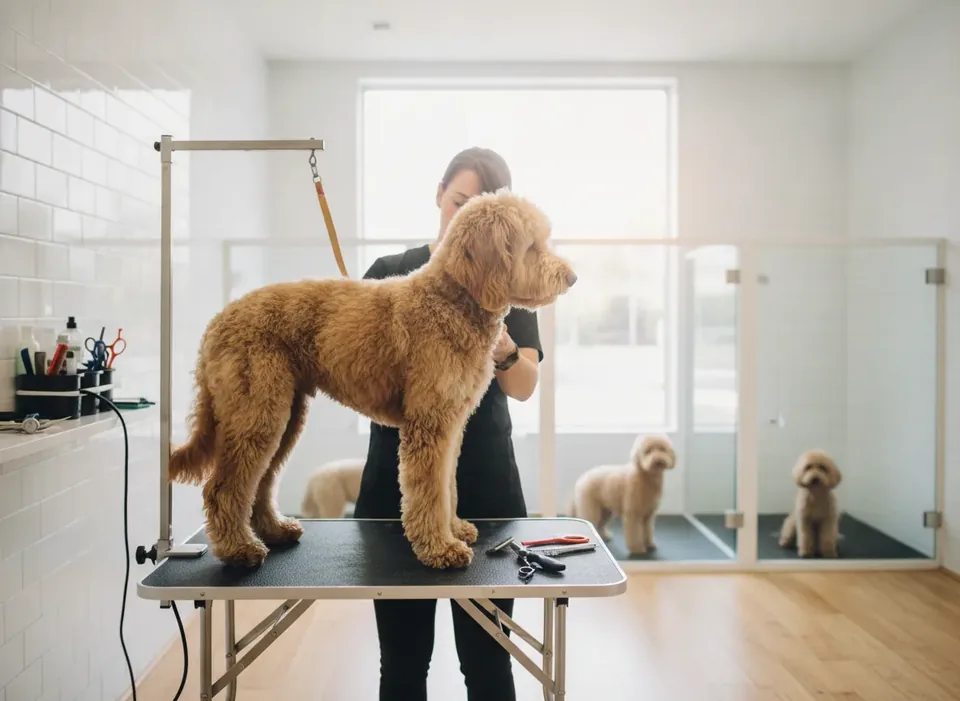
Groomers are licensed, including mobile and self-wash
Under Colorado’s Pet Animal Care and Facilities Act, any permanent or mobile establishment where someone pays to have a pet’s coat cleaned, styled or maintained needs a Groomer Facility license from the Colorado Department of Agriculture. The categories cover primary salons, secondary locations, mobile groomers (a van, trailer or work in your home), self-wash stations and independent-contractor groomers who rent a table at up to three salons. A mobile groomer’s vehicle is inspected before the license is issued, just as a shop would be. Licenses expire March 1 each year.
To check, ask to see the license or open the CDA’s PACFA page at ag.colorado.gov and use the Active Facility List; mobile businesses appear under their registered name rather than a street address. Grooming inside a boarding or daycare facility is usually covered by that facility’s license. Our directory marks groomers “PACFA licensed” only when confirmed.
Salon, mobile or self-wash
A salon offers the widest menu, from breed trims to de-shedding treatments, and can handle large or difficult dogs with two people. Mobile grooming parks outside your house and works one dog at a time with no cages and no car ride, which suits anxious, elderly or reactive dogs; expect to pay roughly $20 to $40 above salon prices for the convenience. Self-wash stations at pet stores supply the tub, shampoo, towels and dryer for a flat fee and are the cheapest way to deal with a muddy weekend, though you do the work. Daycares and kennels often add baths and nail trims at pickup, handy after a week of play but not a substitute for a breed cut.
Matting: the honest conversation
Mats form where the coat rubs: behind the ears, under the collar, in armpits and groin, and anywhere a harness sits. Brushing out heavy matting is painful and slow, so most groomers will recommend a short clip and charge a de-matting or time fee if you insist on saving length. That is a welfare call, not laziness. Keep length between visits with a slicker brush and a metal comb down to the skin, book regular appointments (every four to eight weeks for most coated breeds) and ask the groomer to show you the problem spots.
Double coats and the shave-down myth
Huskies, golden retrievers, Australian shepherds, Bernese and other double-coated breeds shed an undercoat under a weather-resistant top coat. Shaving them for summer does not cool them; the coat insulates against heat and sun as well as cold, and the top coat may grow back patchy. Groomers call the alternative a de-shed: a thorough bath, conditioner, high-velocity drying and undercoat raking. Ask for that, and ask your vet if a medical reason for clipping comes up.
Colorado-specific asks
From June to October, ask for a foxtail and grass-awn check of paws, ears and armpits with every groom, and keep paw fur trimmed. In winter, a paw-pad trim and nail work help on ice. Most groomers require proof of rabies; some facility-based salons want full vaccination records a day or two ahead, and a few require spay or neuter for dogs over a year. Prices are set by size and coat, then adjusted by time: a wiggly dog with a heavy coat costs more than the chart suggests.