
Learn the vocabulary first
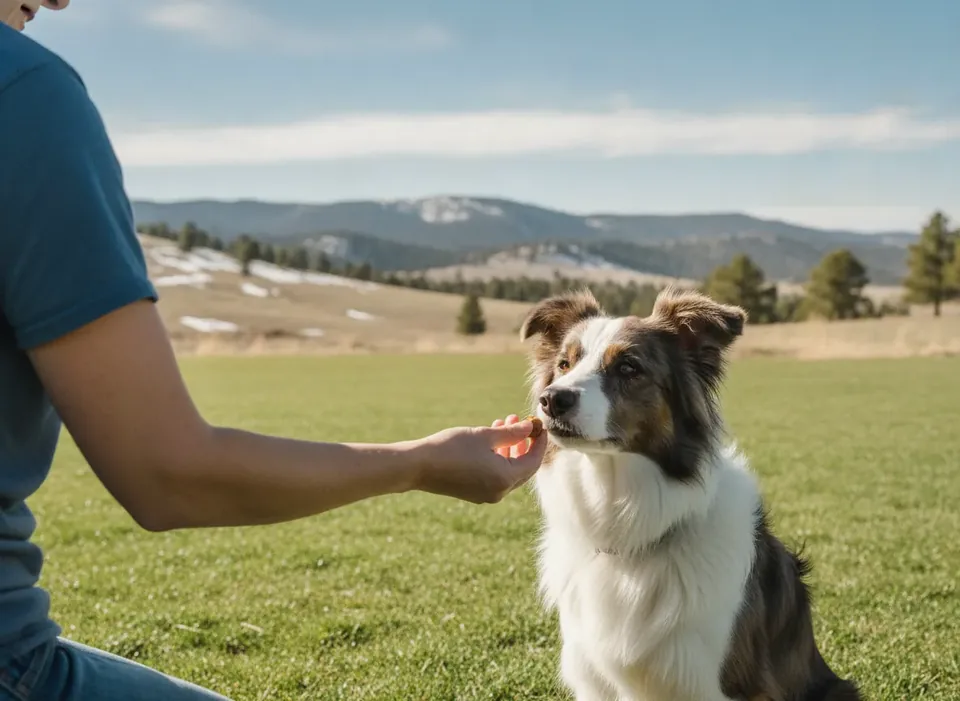
Trainers describe their approach in a handful of phrases, and the phrase tells you what tools will be used on your dog. Positive reinforcement, reward-based and force-free mean behaviour is built with food, play and access to things the dog wants, and unwanted behaviour is managed or ignored rather than corrected. Balanced means rewards plus corrections, typically with a prong collar or an electronic collar. Attention-based or remote-collar systems, used by some franchises, treat a low-level e-collar stimulation as a cue. Neither camp is illegal in Colorado, but you should know which one you are buying, and a trainer who is vague about tools is telling you something. Ask what happens when the dog gets it wrong. Ask what the letters after the trainer’s name stand for and who awards them. Ask to watch a class.
Formats and what they cost
A group class runs weekly for about six weeks and is the cheapest way to proof basic manners around distractions. Private lessons, at a facility or in your home, are priced by the hour and suit specific problems. Day training means the trainer works your dog while you are at work and hands over at pickup. Board-and-train sends the dog to live at a facility or in a trainer’s home for one to eight weeks; it produces fast change but only sticks if the hand-over lessons are thorough and you keep practising. Published Front Range figures in October 2026 put group courses at $125 to $300, private sessions at $55 to $150 an hour, and board-and-train at roughly $600 to $1,000 a week locally, with two- to three-week programmes running $2,000 to $4,000 and behaviour rehabilitation up to about $6,000.
When a trainer needs a PACFA licence
The Pet Animal Care and Facilities Act does not license trainers as such. It licenses anyone who trains pet animals in the owner’s absence for compensation: a facility running day training or board-and-train needs a Boarding/Training Facility license from the Colorado Department of Agriculture, and a trainer who takes dogs off-site without a permanent facility needs a Pet Handler license. Group classes and private lessons with you present do not trigger the requirement. So if your dog will stay overnight or be dropped off, ask to see the license or check the business on the CDA Active Facility List at ag.colorado.gov. Our directory tags trainers “PACFA licensed” only when we have confirmed it; a home-based board-and-train that is not listed is worth a direct question.
Reactive and aggressive dogs
Barking and lunging on leash is the most common reason Coloradans hire a trainer, and the least suited to a standard group class. Look for a trainer who offers dedicated reactive-dog classes with controlled distance, or private sessions that start where the problem actually happens. Expect a longer first session and higher per-hour rates. Shelter behaviour helplines along the Front Range are a sensible first call for triage, and a vet check rules out pain as a cause. Our guide on picking a trainer for a reactive dog goes deeper.
Rattlesnake avoidance
Prairie rattlesnakes are active on Front Range foothills and plains from roughly April to October. Avoidance clinics expose dogs to the sight, sound and scent of caged or defanged snakes and teach them to leave; most use an e-collar, a few use scent-only reward methods. Clinics cost about $100 to $150 per dog and sell out early each spring. The rattlesnake vaccine buys time, not immunity, and any bite still means an emergency vet. See our rattlesnake-avoidance guide for how to choose a clinic.